
 Add to Favorites
This Green Gumbo with Smoked Sausage is the ultimate pot of comfort. Brimming with vibrant greens and smoky meats, it brings bold Louisiana flavor right to your kitchen. Not only is it deeply savory and nourishing, but every bowl is packed with layers of textures and colors sure to brighten even the chilliest day.
First time I made this was for a chilly spring family gathering and the empty pot said it all. Now it is a regular Sunday ritual in my house especially when I crave both comfort and a way to use up odds and ends from the fridge.
What You'll Need
- Chopped greens: Collard, mustard, turnip, kale, spinach, cabbage, beet tops or carrot greens—each type brings its own flavor so mix and match for best taste. Look for leaves that are crisp not wilted.
- Smoked andouille sausage: Gives the gumbo its signature smoky-cajun personality. Try to find a sausage that lists “smoked” on the label for deepest flavor.
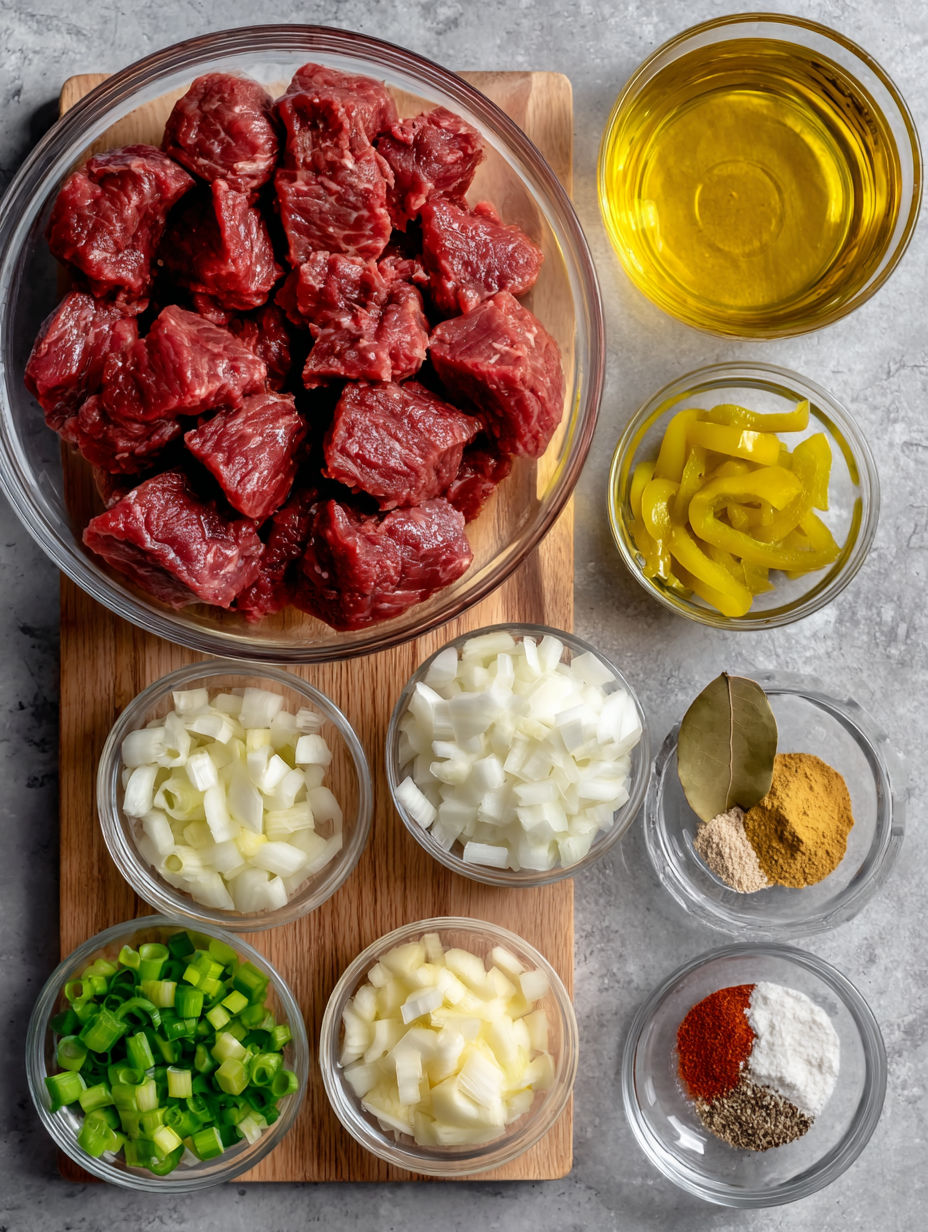
- Cubed beef or pork and boneless skinless chicken thighs: These meats provide tender pieces throughout. Choose marbled cuts for juicy results.
- Smoked ham: Cubed for bite and reinforced smokiness from the sausage.
- Celery, white onion, green bell pepper, and green onions: These classic “holy trinity” veggies anchor southern stews. Fresh is best—pick vegetables that feel heavy for their size.
- Fresh garlic: Brings sharp aromatic punch. Make sure cloves are firm.
- Vegetable oil and all-purpose flour: Help make the thickening roux. Start with fresh flour and a neutral oil.
- Cayenne pepper, black pepper, salt, and bay leaves: For complex heat and depth. Use freshly ground black pepper for maximum aroma.
- Filé powder: Traditional gumbo thickener made from sassafras leaves. Adds earthy undertones and a slight herbal finish. Look for a green powder with a clean aroma.
- Water: Builds the base. Add more as needed if your gumbo gets too thick.
How to Make It
- Prep the Greens:
- Wash and thoroughly drain all your greens. Remove tough stems especially from kale and collards. Chop into bite-size pieces so they melt into the gumbo. This gives a mix of tender and silky textures throughout.
- Brown the Meats:
- Heat a large heavy pot over medium-high. Add the sausage first letting its fat render for a couple minutes, then add beef or pork and chicken in batches. Brown on all sides to develop rich flavor. The pot should smell deeply savory.
- Build the Vegetable Base:
- Add the chopped celery, white onion, green bell pepper, green onions, and minced garlic right into the cooked meat. Reduce heat to medium and cook, stirring often, until vegetables soften and onions look translucent about ten minutes This creates an aromatic foundation.
- Create the Roux and Season:
- Sprinkle flour evenly over the vegetables and stir constantly for three minutes scraping the bottom of the pot so it does not burn. Sprinkle in cayenne, salt, black pepper and blend them all together letting aroma bloom This step thickens the gumbo and infuses warm spice.
- Wilt and Simmer the Greens:
- Begin adding the chopped greens a few handfuls at a time, followed by enough water to loosen the mixture. Greens will wilt as you stir so keep adding until all fit. Slip in bay leaves. Bring to a boil, then cover and drop heat to a gentle simmer. Cook for one to two hours stirring every so often Taste for texture—the greens should be very silky and meats fork-tender.
- Finish with Filé and Serve:
- Turn off heat. Stir in filé powder which will instantly thicken the pot and add its signature herbal note. Taste and adjust seasoning with salt or extra cayenne. Ladle gumbo over hot rice and dust with a little extra filé powder if you like.
I secretly love the pop of smoked andouille the most. My grandfather always snuck a few extra slices into his bowl and now I find myself doing the same. There is nothing like a good story over a bowl of green gumbo and crusty bread.
Storing Leftovers
Let leftover gumbo cool totally before transferring to airtight containers. It will keep well for three to four days in the refrigerator. If you want to stash some away for easy lunches, spoon cooled gumbo into freezer bags flattening them for quick thawing. Defrost in the fridge overnight and reheat gently on the stove—add a splash of water if it thickens too much.
Smart Ingredient Swaps
You can swap the pork stew meat for more chicken if you like a lighter version or try turkey sausage in place of andouille for a lower fat option. Feel free to use only a couple types of greens if that is all you have Mustard greens and kale work beautifully together and both add heartiness. For extra flavor use chicken or vegetable broth instead of water.
Best Ways to Serve
This gumbo begs for fluffy white rice but brown rice or even quinoa can work. Offer hot sauce on the side for those who want more kick. Fresh chopped scallions or parsley add brightness just before serving. On the side cornbread or a hunk of crusty baguette soaks up every drop.

This gumbo brings together comfort, heritage, and practicality in every bowl. Let it nourish and connect you on any cold night.
Recipe FAQs
- → What types of greens work best for green gumbo?
A combination of collard greens, mustard greens, turnip greens, kale, and spinach brings diverse flavors and texture. You can mix in cabbage, romaine, beet greens, carrot tops, dandelion greens, arugula, or Swiss chard as well.
- → How do I ensure meats stay tender while cooking?
Brown the meats first, then simmer gently in the broth for 1-2 hours to retain juiciness and absorb flavor.
- → What is filé powder, and why is it used?
Filé powder is ground sassafras leaves, often used in southern dishes to thicken and flavor the gumbo, giving it a distinct earthy taste and silky texture.
- → Can I adjust the spice level in the gumbo?
Yes. Adjust cayenne pepper to your liking for more or less heat. Sausage choice also affects spiciness.
- → Is it necessary to serve green gumbo over rice?
Serving over rice is traditional and helps absorb the rich broth, but you can enjoy it on its own if preferred.
- → Can I make green gumbo ahead of time?
Absolutely. The flavors often deepen with time, making leftovers even more delicious the next day.